

Huyết áp cao, còn được gọi là tăng huyết áp, là yếu tố nguy cơ có thể kiểm soát được #1 đối với bệnh tim mạch và đột quỵ. Nó đôi khi được gọi là “kẻ giết người thầm lặng” vì hiếm khi gây ra triệu chứng. Không hiếm trường hợp dấu hiệu đầu tiên của bệnh cao huyết áp lại là một cơn đau tim hoặc đột quỵ.
Huyết áp cao rất phổ biến. Tình trạng này ảnh hưởng đến khoảng một nửa số người trưởng thành tại Mỹ.
Thật không may, chỉ một trong năm người bị cao huyết áp kiểm soát tốt tình trạng này. Nhiều người bị cao huyết áp thậm chí còn không biết mình mắc bệnh. Những người khác có thể không nhận ra rằng huyết áp của họ quá cao hoặc không biết về những nguy hiểm của tình trạng cao huyết áp không được kiểm soát. Điều này dẫn đến tổn thương tim và mạch máu, vốn có thể phòng ngừa được nếu tình trạng cao huyết áp được chẩn đoán và kiểm soát.
Việc biết và kiểm soát huyết áp có thể làm giảm đáng kể nguy cơ mắc bệnh tim mạch và đột quỵ.
Tìm hiểu về Huyết áp cao
Huyết áp là áp lực của máu đẩy lên thành động mạch.

Khi đo huyết áp, hai chỉ số sẽ được ghi lại:
- Con số trên, được gọi là Huyết Áp Tâm Thu, đo áp lực trong các động mạch khi cơ tim co bóp
- Con số dưới, được gọi là Huyết Áp Tâm Trương, đo áp suất trong các động mạch khi cơ tim thư giãn
Các nhà cung cấp dịch vụ chăm sóc sức khỏe sử dụng các định nghĩa sau đây để chẩn đoán bệnh cao huyết áp:
Huyết áp bình thường
Tâm thu: dưới 120 mm Hg VÀ
Tâm trương: dưới 80 mm Hg
Huyết áp cao
Huyết áp tâm thu: 120–129 mm Hg VÀ
Huyết áp tâm trương: dưới 80 mm Hg
Huyết áp cao (tăng huyết áp)
Huyết áp tâm thu: 130 mm Hg trở lên HOẶC
Huyết áp tâm trương: 80 mm Hg trở lên
Rủi ro của Bệnh Cao Huyết Áp Không Được Kiểm Soát
Cao huyết áp gây quá tải và làm tổn thương tim và các mạch máu.
Tăng huyết áp không kiểm soát làm tăng nguy cơ:
Nhồi máu cơ tim
Suy tim
Đột quỵ
Bệnh mất trí
Suy giảm thị lực
Bệnh thận
Rối loạn chức năng tình dục
Giám sát huyết áp
Chìa khóa để tránh các biến chứng của bệnh cao huyết áp là biết rõ các chỉ số của quý vị. Vì bệnh cao huyết áp hiếm khi gây ra triệu chứng, nên đo huyết áp là cách duy nhất để biết liệu huyết áp có quá cao hay không.
Tất cả người lớn nên được kiểm tra huyết áp ít nhất mỗi năm một lần. Những người bị cao huyết áp nên được theo dõi huyết áp thường xuyên hơn.
Quý vị có thể đo huyết áp của mình tại:
- Một phòng khám
- Một nhà thuốc
- Một sự kiện sàng lọc cộng đồng
- Nhà
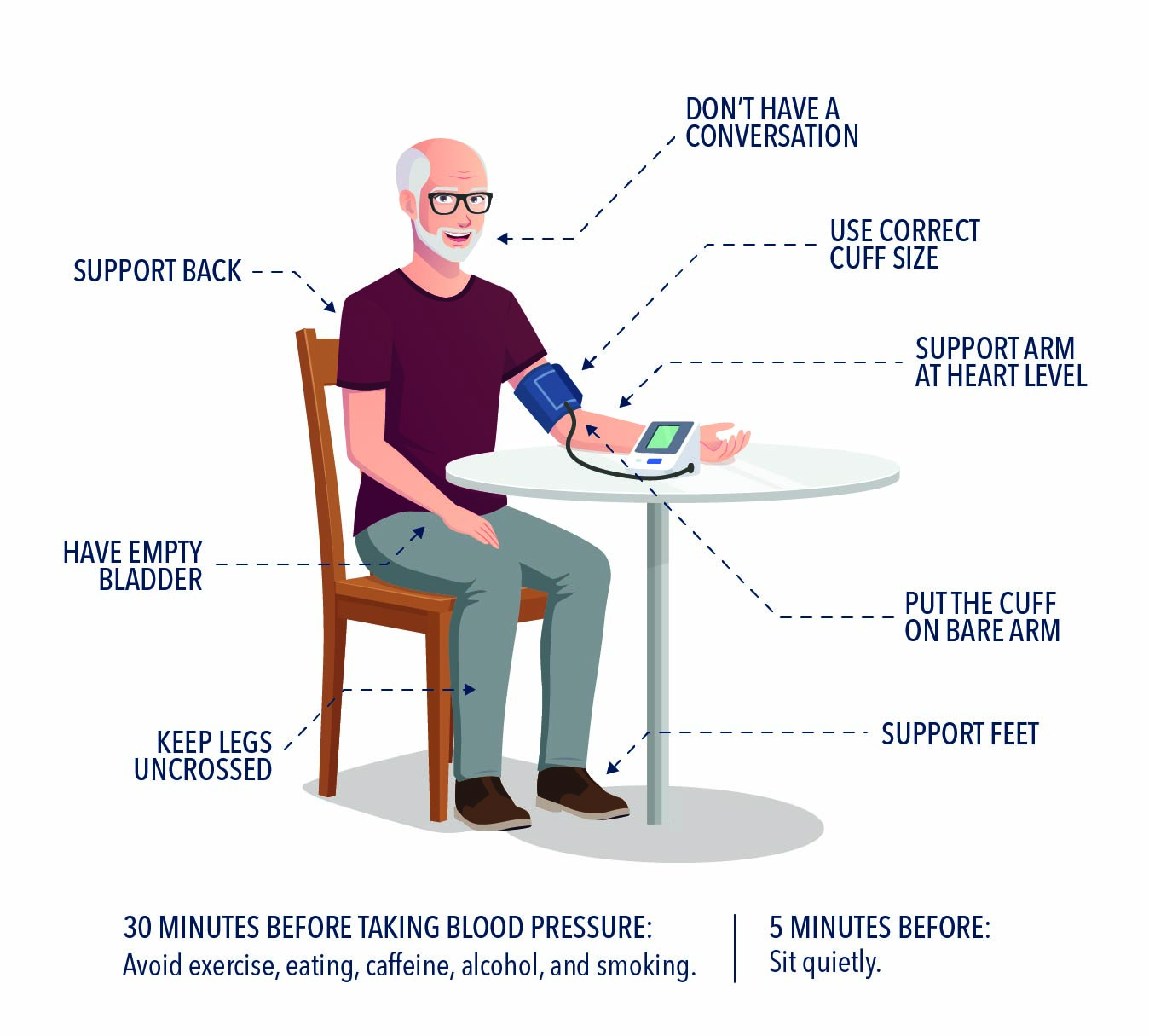
Giám sát tại nhà
Việc theo dõi huyết áp tại nhà, đôi khi được gọi là tự theo dõi huyết áp, có thể là một cách đơn giản và hiệu quả để những người bị cao huyết áp cải thiện khả năng kiểm soát huyết áp. Phương pháp này cung cấp cái nhìn tổng thể tốt hơn về việc kiểm soát huyết áp trong cuộc sống hàng ngày. Phương pháp này cũng có thể hướng dẫn việc quản lý huyết áp giữa các lần thăm khám. Điều này có thể giúp kiểm soát huyết áp nhanh chóng hơn và giảm bớt số lần đi khám bác sĩ.
VDH hỗ trợ một số chương trình cung cấp giáo dục và hỗ trợ tự theo dõi huyết áp.
Loại thiết bị đo huyết áp cũng rất quan trọng để đảm bảo quý vị có được kết quả đo chính xác. Tiêu chuẩn vàng về độ chính xác là huyết áp được đo thủ công bởi một chuyên gia y tế đã qua đào tạo sử dụng vòng bít bắp tay. Tuy nhiên, có nhiều thiết bị đo huyết áp tự động chất lượng cao đã được kiểm chứng là cung cấp kết quả đo chính xác trong cả môi trường phòng khám và tại nhà. Danh sách các thiết bị đã được kiểm chứng có thể được tìm thấy tại validatebp.org. Các thiết bị đo sử dụng vòng bít bắp tay chính xác hơn các thiết bị đo huyết áp cổ tay và ngón tay.
VDH đã sản xuất một video hướng dẫn cách theo dõi huyết áp tại nhà.
Tài liệu có thể in được để theo dõi các chỉ số huyết áp
Tôi cần làm gì nếu nhận được kết quả đo cao?
Nếu quý vị nhận được kết quả đo huyết áp cao tại một sự kiện sàng lọc hoặc một cuộc hẹn y tế (nha sĩ, bác sĩ mắt, vật lý trị liệu), điều quan trọng là phải theo dõi với nhà cung cấp dịch vụ chăm sóc chính của quý vị. Một kết quả đo cao đơn lẻ không phải là nguyên nhân gây báo động (trừ khi nó vượt quá 180/120 như được thảo luận dưới đây), nhưng đó là điều cần được xem xét nghiêm túc. Hãy yêu cầu một bản sao viết tay hoặc bản in của kết quả đo cao và mang theo khi đến cuộc hẹn với bác sĩ chăm sóc chính (PCP) của quý vị. Bác sĩ chăm sóc chính (PCP) của quý vị sẽ kiểm tra lại huyết áp để xác nhận xem nó có cao hay không. Họ cũng có thể xác định phương pháp điều trị nào là cần thiết, nếu có. Nếu quý vị muốn thực hiện một số hành động trong khi chờ đợi cuộc hẹn với bác sĩ chăm sóc chính (PCP), quý vị có thể bắt đầu thực hiện các lựa chọn lối sống lành mạnh có thể giúp hạ huyết áp. Quý vị cũng có thể cân nhắc việc kiểm tra lại huyết áp tại hiệu thuốc hoặc mua máy đo huyết áp tại nhà để tự theo dõi huyết áp của mình. Việc này sẽ cung cấp thêm thông tin về huyết áp của quý vị để quý vị có thể chia sẻ với bác sĩ chăm sóc chính (PCP) của mình.
Huyết áp cao hơn 180 ở chỉ số trên hoặc trên 120 ở chỉ số dưới có thể là một trường hợp cấp cứu y tế. Nếu quý vị có kết quả đo trong phạm vi này và đang gặp bất kỳ triệu chứng đáng lo ngại nào, bao gồm đau đầu, thay đổi thị lực, đau ngực và khó thở, hãy gọi 911. Nếu quý vị không có bất kỳ triệu chứng nào, hãy ngồi yên trong 5 phút và kiểm tra lại huyết áp. Nếu chỉ số vẫn ở trên mức 180/120, hãy liên hệ ngay với nhà cung cấp dịch vụ chăm sóc ban đầu của quý vị để được hướng dẫn thêm. Nếu đã ngoài giờ làm việc hoặc quý vị không có nhà cung cấp dịch vụ chăm sóc ban đầu, hãy tìm kiếm sự chăm sóc tại cơ sở chăm sóc khẩn cấp hoặc phòng cấp cứu.
Quản lý huyết áp cao
Các bước chính để kiểm soát huyết áp cao là:
Tìm hiểu các chỉ số của quý vị
Việc thường xuyên kiểm tra và theo dõi các chỉ số huyết áp của quý vị là rất quan trọng. Những chỉ số này sẽ giúp quý vị và đội ngũ y tế của quý vị biết khi nào huyết áp của quý vị được kiểm soát tốt. Chúng cũng sẽ cho quý vị biết nếu chỉ số quá cao và cần phải thực hiện điều chỉnh. Theo dõi huyết áp tại nhà có thể là một sự bổ sung hữu ích cho các kết quả đo tại phòng khám.
Đưa ra các lựa chọn lối sống lành mạnh
Các bước thực hiện lối sống lành mạnh có thể giúp cải thiện huyết áp bao gồm:
- Ăn ít muối hơn. Tiêu thụ nhiều muối khiến cơ thể quý vị giữ nước và làm tăng huyết áp. Phần lớn lượng muối trong chế độ ăn của người Mỹ đến từ thực phẩm chế biến sẵn và thực phẩm tại nhà hàng. Ăn nhiều thực phẩm tươi, nguyên chất như trái cây và rau quả và ăn nhiều bữa cơm nấu tại nhà hơn có thể giúp giảm lượng muối tiêu thụ và huyết áp. Khi ăn thực phẩm chế biến sẵn, hãy xem nhãn dinh dưỡng và chọn các loại có hàm lượng muối thấp hơn. Chế độ ăn DASH (Phương pháp Ăn kiêng để Ngăn ngừa Tăng huyết áp) là phương pháp ăn uống ít muối, tốt cho tim mạch đã được chứng minh là giúp hạ huyết áp.
- Tăng cường hoạt động thể chất. Hoạt động thể chất giúp giảm huyết áp khi nghỉ ngơi và cải thiện sức khỏe tim mạch. Mục tiêu là cố gắng đạt được 150 phút hoạt động thể chất cường độ vừa phải mỗi tuần.
- Duy trì cân nặng khỏe mạnh. Đối với những người thừa cân, việc giảm cân vừa phải có thể cải thiện huyết áp. Việc giảm mười pound cân nặng có liên quan đến việc giảm 4-5 điểm ở cả huyết áp tâm thu và huyết áp tâm trương.
- Không hút thuốc lá. Hút thuốc lá làm tăng huyết áp và gây tổn thương tim cùng các mạch máu của quý vị. Nếu quý vị cần trợ giúp để cai thuốc lá, Quit Now Virginia có các nguồn tài nguyên hữu ích.
- Hạn chế đồ uống có cồn. Mức tiêu thụ đồ uống có cồn cao có thể làm tăng huyết áp. Nếu quý vị uống rượu bia, hãy giữ mức tiêu thụ không quá 1 ly mỗi ngày nếu là phụ nữ và 2 ly mỗi ngày nếu là nam giới.
- Quản lý căng thẳng. Căng thẳng làm tăng huyết áp và gây khó khăn hơn trong việc duy trì các thói quen lành mạnh khác. Đôi khi căng thẳng là không thể tránh khỏi, nhưng hãy cố gắng tìm những cách lành mạnh để đối phó với căng thẳng. Một số ý tưởng bao gồm tập thể dục, yoga, thiền định, dành thời gian hòa mình vào thiên nhiên và dành thời gian cho bạn bè.
- Hãy ngủ ngon giấc. Ngủ quá ít có thể làm tăng huyết áp. Hãy cố gắng ngủ từ 7-9 tiếng mỗi đêm. Hãy trao đổi với nhà cung cấp dịch vụ chăm sóc sức khỏe nếu quý vị không thể có giấc ngủ chất lượng cao, đặc biệt là nếu quý vị có các triệu chứng của chứng ngưng thở khi ngủ. Chứng ngưng thở khi ngủ là một rối loạn giấc ngủ phổ biến làm tăng nguy cơ cao huyết áp. Các triệu chứng của chứng ngưng thở khi ngủ bao gồm ngáy to, ngừng thở trong khi ngủ và buồn ngủ quá mức vào ban ngày.
Dùng thuốc nếu cần
Hầu hết những người bị cao huyết áp sẽ cần ít nhất một loại thuốc để kiểm soát huyết áp của họ.
Nếu nhà cung cấp dịch vụ chăm sóc sức khỏe khuyên quý vị dùng thuốc điều trị huyết áp, quý vị không đơn độc và điều đó không có nghĩa là quý vị đã thất bại. Mặc dù những thay đổi lối sống lành mạnh rất hữu ích, nhưng đôi khi chúng vẫn chưa đủ. Thuốc có thể đóng vai trò quan trọng trong việc hạ huyết áp và cải thiện sức khỏe.
Tin tốt là có rất nhiều loại thuốc an toàn, hiệu quả và giá cả phải chăng có thể giúp kiểm soát huyết áp. Hãy làm việc với đội ngũ chăm sóc sức khỏe của quý vị để lập ra một kế hoạch phù hợp với quý vị. Và nếu quý vị gặp khó khăn với các tác dụng phụ hoặc chi phí thuốc men, hãy trao đổi với nhà cung cấp dịch vụ chăm sóc sức khỏe hoặc dược sĩ của quý vị để tìm phương án tốt hơn.
Nguồn lực
Các chương trình quản lý huyết áp
Chương trình Tự Theo Dõi Huyết Áp Đại Sứ Trái Tim Khỏe Mạnh Virginia
Chương trình Tự Giám sát Huyết áp Đại sứ Trái tim Khỏe mạnh Virginia (HHA-BPSM) là một chương trình kéo dài 4tháng tập trung vào việc tự giám sát huyết áp tại nhà và giáo dục dinh dưỡng. Chương trình phục vụ những người trưởng thành đã được chẩn đoán mắc bệnh cao huyết áp hoặc đang dùng thuốc để hạ huyết áp. Chương trình hiện có sẵn tại nhiều địa điểm ở Virginia.

Các bà mẹ chịu áp lực
Chương trình Moms Under Pressure hỗ trợ phụ nữ mang thai và các bà mẹ mới sinh đã được chẩn đoán mắc bệnh cao huyết áp, tiền sản giật hoặc Hội chứng HELLP trong thai kỳ hoặc giai đoạn sau sinh. Moms Under Pressure trao quyền cho phụ nữ tự theo dõi huyết áp thường xuyên tại nhà bằng cách cung cấp bộ dụng cụ đo huyết áp tại nhà, các tài nguyên giáo dục, điều phối chăm sóc liên tục và kết nối với các nguồn lực tại địa phương. Chương trình hiện có sẵn tại nhiều địa điểm ở Virginia.
Tài liệu bổ sung
- Video về Tăng huyết áp
- CDC: Huyết áp cao
- Tác hại của bệnh cao huyết áp
- Chương trình Đi bộ Nhẹ nhàng vì Sức khỏe Tim mạch
- Video Hướng dẫn Cách Theo dõi Huyết áp tại Nhà
- Cách Kiểm Tra Huyết Áp — Video Tổng Quan về Các Thực Hành Tốt Nhất dành cho Nhà cung cấp dịch vụ chăm sóc sức khỏe
- Video Các Buổi Học Tập về Trái Tim Khỏe Mạnh tại Virginia