Kratom là gì? 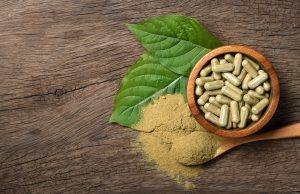
Kratom (Mitragyna speciosa) là một loại cây nhiệt đới có nguồn gốc từ Đông Nam Á. Khi tiêu thụ lá kratom, nó tạo ra tác dụng kích thích ở liều thấp và tác dụng an thần ở liều cao. Một số người tự điều trị bằng kratom để giảm cơn thèm thuốc phiện hoặc điều trị đau. Những người khác sử dụng nó để giải trí, tin rằng nó giúp cải thiện tâm trạng của họ.
Kratom chứa nhiều loại hóa chất khác nhau. Hai thành phần hướng thần chính là mitragynine và 7-hydroxymytragynine (7-OH). Kratom chủ yếu được sử dụng dưới dạng viên nén, viên nang hoặc chiết xuất. Một số cá nhân hãm lá để pha trà hoặc chỉ đơn giản là nhai lá. 7-OH được tổng hợp trong phòng thí nghiệm đang được bán và thêm vào các sản phẩm kratom, khiến người dùng tiếp xúc với nồng độ các thành phần hướng thần cao hơn nhiều so với nồng độ tự nhiên có trong cây.
Kratom lần đầu tiên được giới thiệu vào Hoa Kỳ vào cuối những năm 1990và trong nhiều năm việc sử dụng nó rất hạn chế. Trong những năm gần đây, việc sử dụng kratom đã trở nên phổ biến hơn nhiều, có thể là do đại dịch opioid và việc nhiều người cố gắng sử dụng kratom để giảm sự phụ thuộc vào opioid. Kratom rất dễ tìm mua và thường được bán tại các trạm xăng, cửa hàng thuốc lá/thuốc lá điện tử, cửa hàng tiện lợi và trực tuyến. Theo một phân tích dữ liệu 2015-2025 từ Hệ thống Dữ liệu Chất độc Quốc gia (NPDS), Trung Tâm Kiểm Soát Và Phòng Ngừa Dịch Bệnh (CDC) Hoa Kỳ nhận thấy rằng các trường hợp phơi nhiễm liên quan đến kratom được báo cáo cho NPDS đã tăng khoảng 1,200%, đạt mức kỷ lục vào năm 2025.
Một nghiên cứu 2019 về các cuộc gọi đến Trung tâm Kiểm soát Chất độc liên quan đến kratom đã phát hiện ra rằng chúng đã trở nên phổ biến hơn nhiều trong vài năm qua. Vào năm 2011, các Trung tâm Kiểm soát Chất độc đã nhận được 13 cuộc gọi về kratom. Con số này đã tăng lên 682 vào năm 2017, và hai phần ba trong số 1807 cuộc gọi liên quan đến kratom giữa 2011–2017 xảy ra vào năm 2016 và 2017.
Kratom có an toàn không?
Cơ quan Quản lý Thực phẩm và Dược phẩm (FDA) đã cảnh báo người dân không nên sử dụng kratom do lo ngại về an toàn và nguy cơ gây nghiện. Việc bán kratom chưa được FDA phê duyệt, nghĩa là FDA chưa:
- xác định kratom là an toàn hoặc hiệu quả.
- kiểm tra các sản phẩm để đảm bảo rằng chúng chứa đúng các thành phần như công bố.
- đã xác định nồng độ hoạt chất là chính xác.
- đã xác định xem sản phẩm có bị nhiễm bẩn hay không.
Vì kratom chưa được FDA phê duyệt; các sản phẩm khác nhau có thể khác nhau về độ mạnh và có thể chứa các chất gây ô nhiễm không xác định. Các công ty bán kratom không cần tuân thủ các quy định sản xuất an toàn, và trong 2018 đã xảy ra một đợt bùng phát do vi khuẩn Salmonella trong kratom khiến người dân ở 41 bang bị bệnh.
Mọi người có thể bị quá liều kratom, và nó có thể tương tác với các loại thuốc khác, rượu hoặc ma túy giải trí theo những cách có thể gây nguy hiểm. Kratom đã được liên kết với các trường hợp tử vong liên quan đến ma túy. Trong hầu hết các trường hợp, kratom được sử dụng cùng với các loại thuốc khác, nhưng trong một số trường hợp, kratom là loại thuốc duy nhất được sử dụng. Kratom có thể gây nghiện, và trẻ sơ sinh của những bà mẹ sử dụng kratom đôi khi cần được điều trị các triệu chứng cai nghiện opioid.
Kratom có hợp pháp không?
Một số tiểu bang hoặc địa phương có luật cấm việc bán hoặc sở hữu kratom. Tại Virginia, việc bán kratom cho người dưới 21 tuổi là bất hợp pháp. Kể từ tháng 11 năm 2026, các sản phẩm kratom phải bao gồm nhãn liệt kê tất cả các thành phần và cảnh báo về khả năng gây phụ thuộc và các triệu chứng cai nghiện giống như opioid. Luật cũng cấm bán các sản phẩm có chứa 7-OH.
Chính phủ liên bang đã đưa ra khuyến nghị nào để bảo vệ sức khỏe con người chưa?
Hiện tại không có luật liên bang nào điều chỉnh kratom, mặc dù FDA đã sử dụng thẩm quyền của mình để quản lý các loại thuốc chưa được phê duyệt và các phụ gia thực phẩm chưa được phê duyệt nhằm hạn chế nhập khẩu kratom. Vào tháng 7 năm 2026, Cơ quan Phòng chống Ma túy Hoa Kỳ (DEA) đã đệ trình ý định tạm thời đưa 7-OH vào Phụ lục 1 của Đạo luật về các Chất bị Kiểm soát (CSA).
Những tác dụng phụ của kratom là gì?
Kratom là một loại thuốc và có thể có những tác dụng phụ có thể nguy hiểm. Các tác dụng phụ kích thích xảy ra ở liều thấp trong khi các tác dụng phụ an thần xảy ra ở liều cao hơn. Kratom gây ra tình trạng chán ăn, biếng ăn, mất ngủ, run rẩy, ảo giác, lú lẫn và nhịp tim đập nhanh. Mọi người thường báo cáo rằng họ cảm thấy ngứa sau khi sử dụng nó. Nó có thể gây buồn nôn và nôn mửa. Ở liều cao, kratom có thể gây co giật. Những người thường xuyên sử dụng kratom có thể bị tổn thương gan.
Tôi đã sử dụng kratom, tôi cần phải làm gì?
Hãy trao đổi với bác sĩ của quý vị. Ngay cả khi quý vị không có ý định ngừng sử dụng kratom, quý vị cũng nên trao đổi với bác sĩ về khả năng tương tác với các loại thuốc, ma túy hoặc rượu khác cũng như nguy cơ phụ thuộc vào kratom. Phụ nữ đang mang thai, có kế hoạch mang thai hoặc đang cho con bú nên ngừng sử dụng kratom để bảo vệ em bé khỏi bị phơi nhiễm. Giống như các loại thuốc khác, kratom nên được bảo quản ngoài tầm với của trẻ em.
Nếu quý vị hoặc người khác, đặc biệt là trẻ em, vô tình nuốt phải kratom, hãy gọi đường dây nóng Trung tâm Kiểm soát Chất độc theo số 1-800-222-1222. Nếu người đó gặp tác dụng phụ nghiêm trọng, xin vui lòng gọi 911.
Đâu là các tài nguyên để điều trị chứng nghiện?
- Trang chủ – FindTreatment.govđể tìm kiếm phương pháp điều trị cho các rối loạn sử dụng chất gây nghiện.
- Sở Sức Khỏe Hành Vi và Dịch Vụ Nhân Sinh Virginia:
- Sở Y tế Virginia:
- Sở Y tế và Dịch vụ Nhân sinh Hoa Kỳ:
- Trung Tâm Kiểm Soát Và Phòng Ngừa Dịch Bệnh Hoa Kỳ:
Tôi có thể tìm thêm thông tin ở đâu?
Đã cập nhật năm 2026
